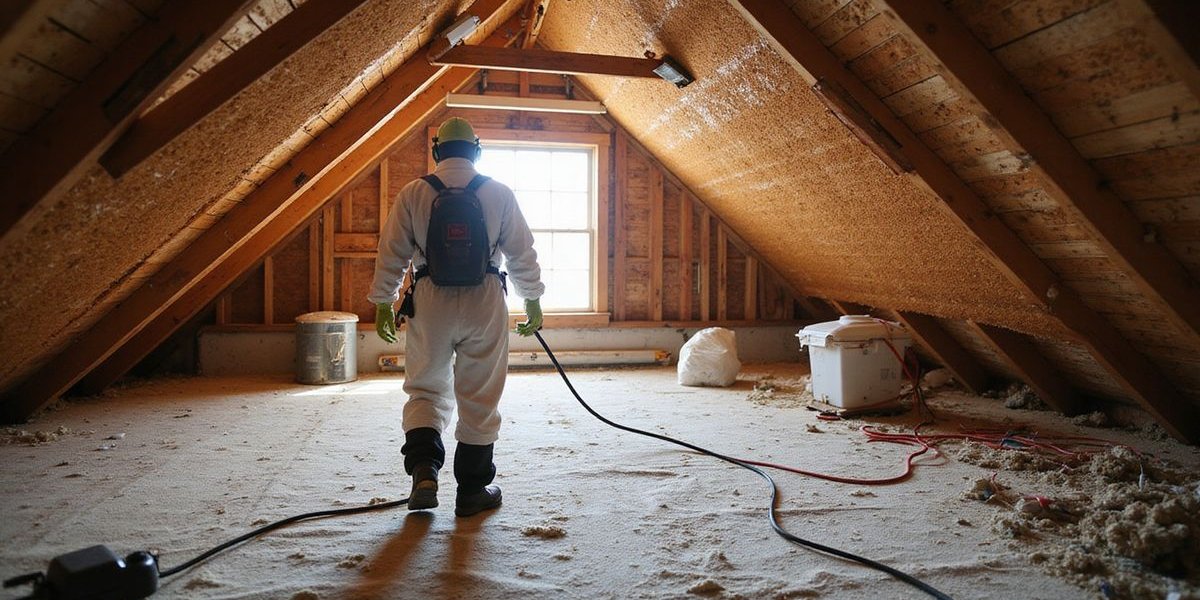
Understanding Attic Mold
Attic mold is a common problem in Maryland homes, especially on the Eastern Shore where humidity is high year-round. Unlike basement mold which comes from below, attic mold develops when warm, moist air from your living space rises into a poorly ventilated attic.
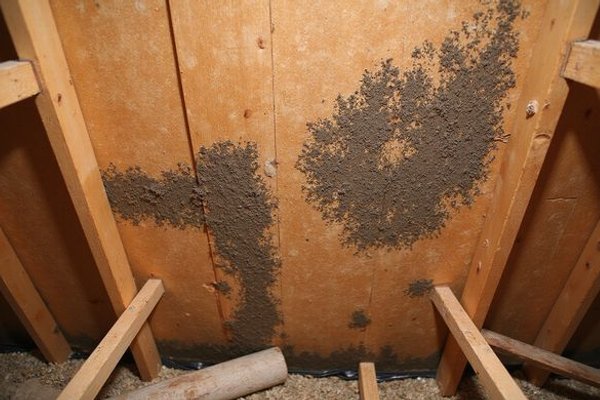
When this warm air meets the cold underside of your roof (especially in winter), condensation forms on the wood surfaces. Over time, this moisture allows mold to colonize your roof decking, rafters, and other wood components.
Common Causes of Attic Mold
Our technicians frequently find these issues contributing to attic mold:
Inadequate Ventilation
Proper attic ventilation requires balanced intake (soffit vents) and exhaust (ridge or roof vents). When blocked or insufficient, moisture accumulates.
Bathroom Exhaust Issues
Many homes, especially older ones, have bathroom fans that vent directly into the attic rather than outside. This pumps warm, moist air directly where it causes the most damage.
Roof Leaks
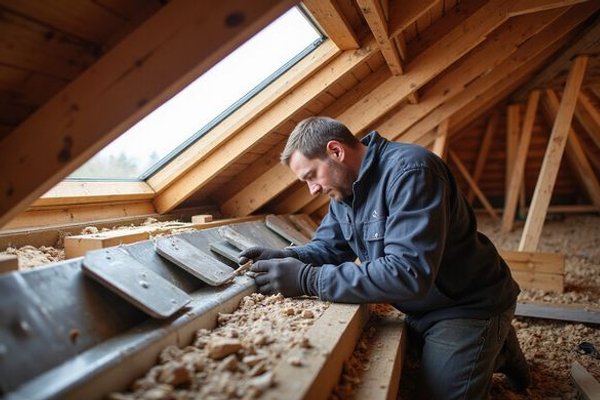
Even small roof leaks can cause significant mold growth over time. Often the leak isn’t visible from inside until mold develops.
Improper Insulation
When insulation blocks soffit vents or is improperly installed, it disrupts airflow and traps moisture in the attic space.
Signs of Attic Mold
You may have attic mold if you notice:
- Dark staining on roof sheathing or rafters
- Musty odors in upstairs rooms or around attic access
- Moisture or frost on the underside of roof decking in winter
- Unexplained respiratory issues for occupants
- Visible mold during home inspection
Our Attic Mold Treatment Process
Attic mold remediation requires different techniques than other areas due to the porous nature of unfinished wood.
Containment and Safety
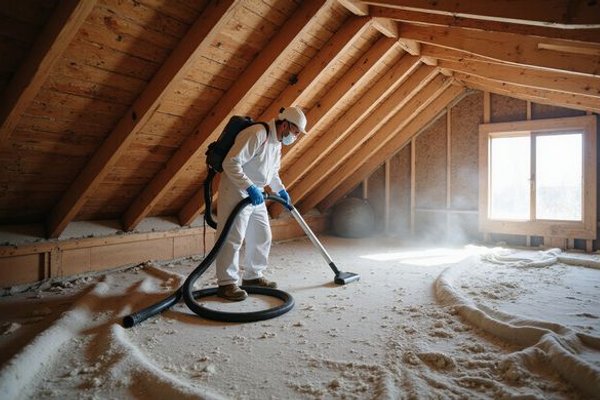
We seal the attic access point and create negative pressure to prevent spores from entering your living space during treatment.
Mold Removal
For wood surfaces, we use specialized techniques that remove mold without damaging the wood substrate. This includes:
- HEPA vacuuming of loose spores
- Dry ice blasting for severe contamination (when appropriate)
- Wire brushing and sanding for surface mold
- Application of antimicrobial treatments
Ventilation Correction
We assess your current ventilation and provide recommendations for improvement. This may include:
- Clearing blocked soffit vents
- Adding ridge vents or roof vents
- Redirecting bathroom exhausts to vent outside
- Installing powered ventilation for problematic attics
Protecting Your Investment
Attic mold can cause significant problems:
- Structural damage to roof decking and rafters
- Reduced home value when selling
- Failed home inspections that derail sales
- Compromised insulation that increases energy costs
- Poor air quality affecting your family’s health
Early treatment prevents these costly issues. Most attic mold can be treated effectively without requiring roof or structural replacement if caught early.
Real Estate Transaction Support
Selling a home with attic mold? We understand the urgency. Our team provides:
- Rapid response scheduling
- Thorough remediation meeting inspection standards
- Detailed documentation and certificates
- Follow-up support if inspectors have questions
Don’t let attic mold delay your closing. Call (410) 555-0123 for fast, professional service.