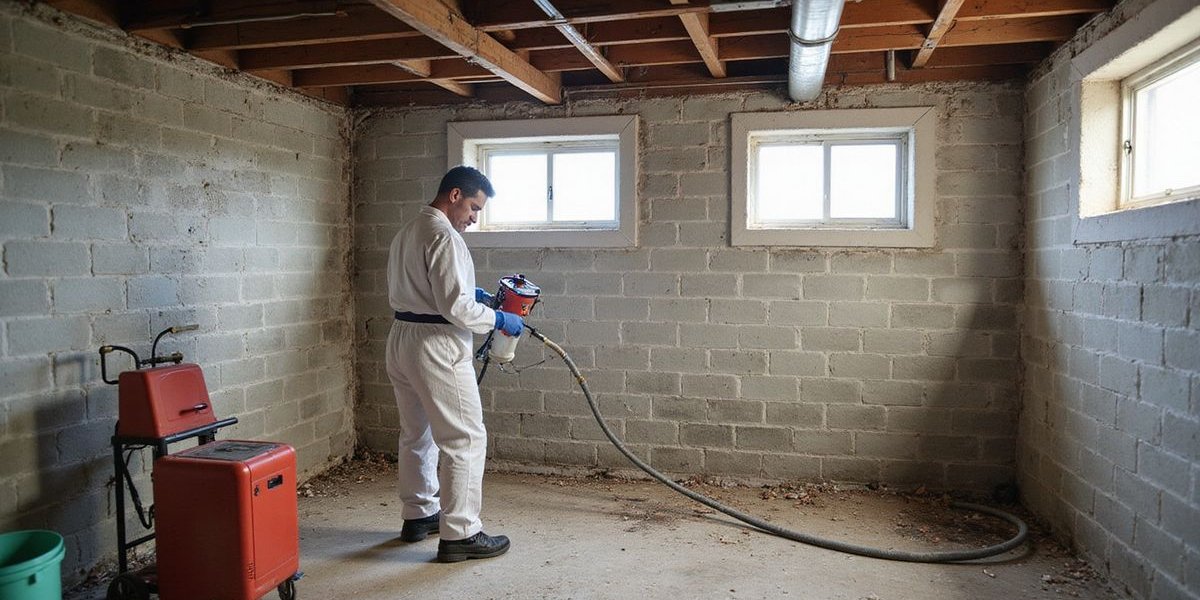
Why Basements Are Prone to Mold
Basements create ideal conditions for mold growth. Their below-grade location means constant exposure to ground moisture, and the temperature differential between basement and outdoor air causes condensation. Add in occasional flooding, leaky pipes, or poor drainage, and you have a recipe for mold problems.
On Maryland’s Eastern Shore, these issues are amplified by our high water table, proximity to the Chesapeake Bay, and frequent seasonal storms. Many older Salisbury homes have basements that were built before modern waterproofing standards, making them particularly vulnerable.
Signs of Basement Mold
You may have basement mold if you notice:
- Musty, earthy odors that are stronger in the basement
- Visible mold growth on walls, floors, or ceiling joists
- White, powdery deposits on concrete walls (efflorescence indicating moisture)
- Warped or buckling flooring or wood elements
- Increased humidity that you can feel
- Peeling paint or bubbling wallpaper
Even if you use your basement primarily for storage, mold spores can travel through your home’s HVAC system, affecting air quality throughout your living spaces.
Our Basement Remediation Approach
Effective basement mold remediation requires addressing both the mold and its moisture source. Our comprehensive approach includes:
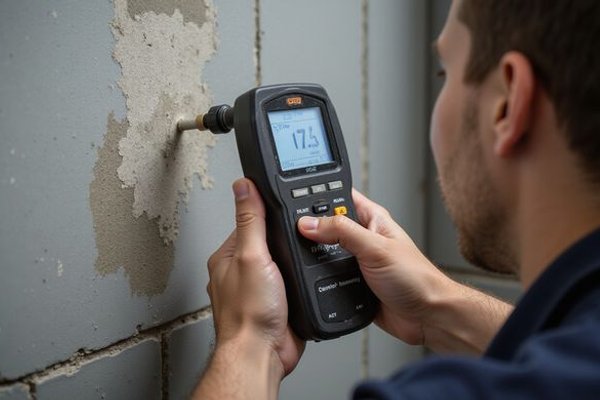
Moisture Source Identification
Before removing mold, we identify how water is entering your basement:
- Foundation cracks and gaps
- Poor exterior drainage
- High water table
- Plumbing leaks
- Condensation issues
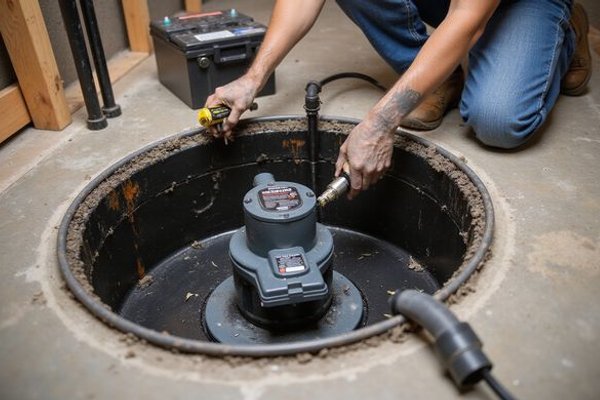
- Failed sump pump systems
Complete Mold Removal
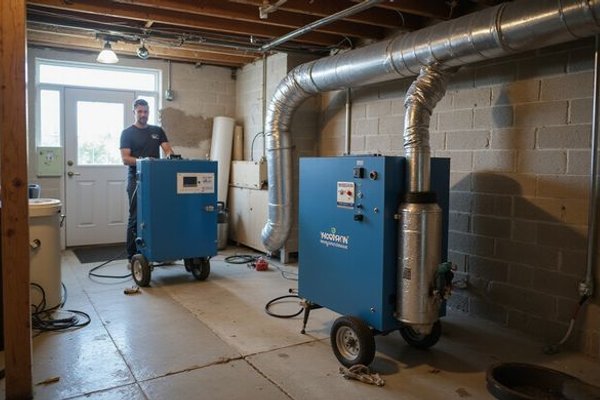
Using containment and HEPA filtration, we remove all mold from affected areas:
- Concrete block and poured walls
- Floor joists and subflooring
- Framing and studs
- Stored items when possible to salvage
Moisture Control Solutions
We implement solutions to keep your basement dry:
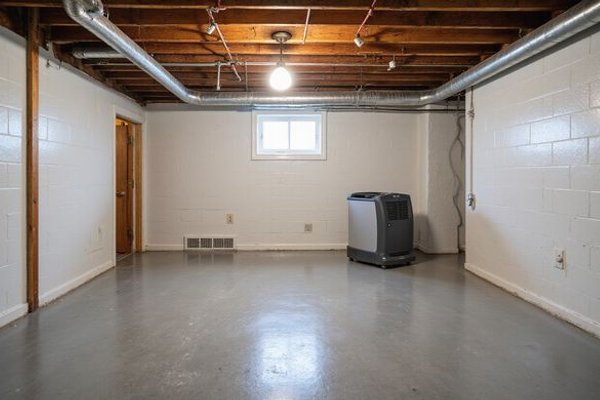
- Dehumidification systems
- Improved ventilation
- Sump pump upgrades or installation
- Interior drainage improvements
- Vapor barriers where appropriate
Long-Term Prevention
Unlike companies that just spray and walk away, we focus on creating conditions where mold cannot return. For detailed prevention strategies, see our guide on basement waterproofing for mold prevention. Key steps include:
- Keeping relative humidity below 50%
- Ensuring proper drainage away from foundation
- Maintaining functional sump pumps
- Regular inspection of vulnerable areas
Common Basement Mold Locations
Our technicians pay special attention to:
- Behind finished walls where hidden leaks can go unnoticed
- Around basement windows where condensation collects
- Near sump pump areas where moisture levels fluctuate
- Under basement stairs where air circulation is poor
- Around water heaters and HVAC equipment
- Floor joists and sill plates where structural damage can occur
Don’t Let Basement Mold Spread
Basement mold problems rarely stay in the basement. Spores travel through your home, and what starts as a basement issue can affect your entire property. Early intervention prevents costly structural damage and protects your family’s health.
Schedule your free basement assessment today. We’ll identify the extent of your mold problem and provide a clear plan for remediation and prevention.