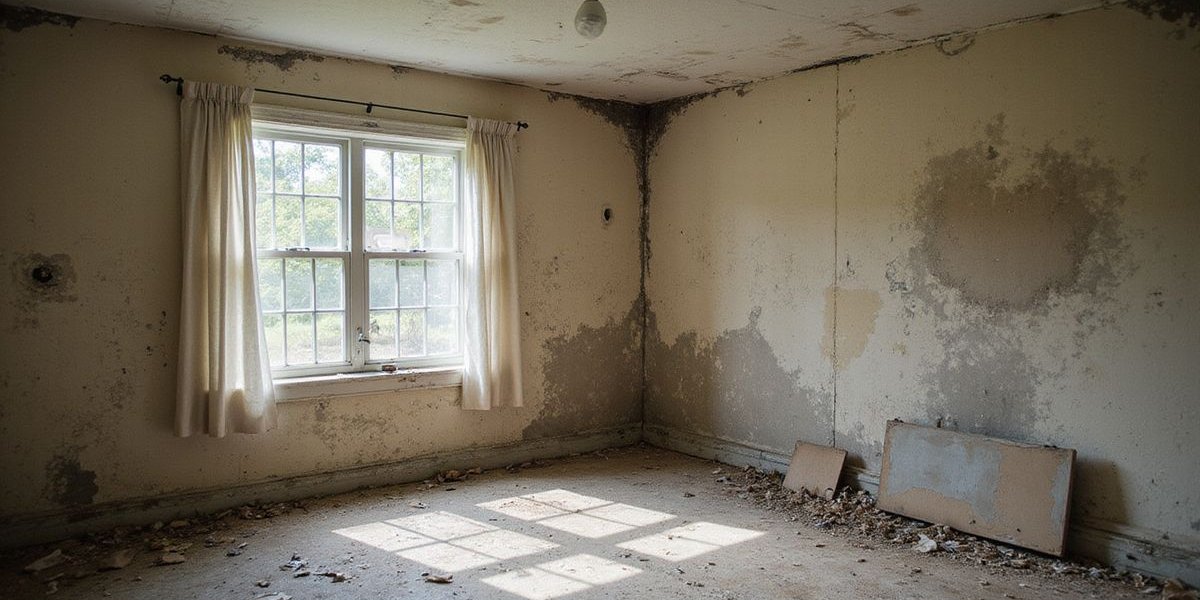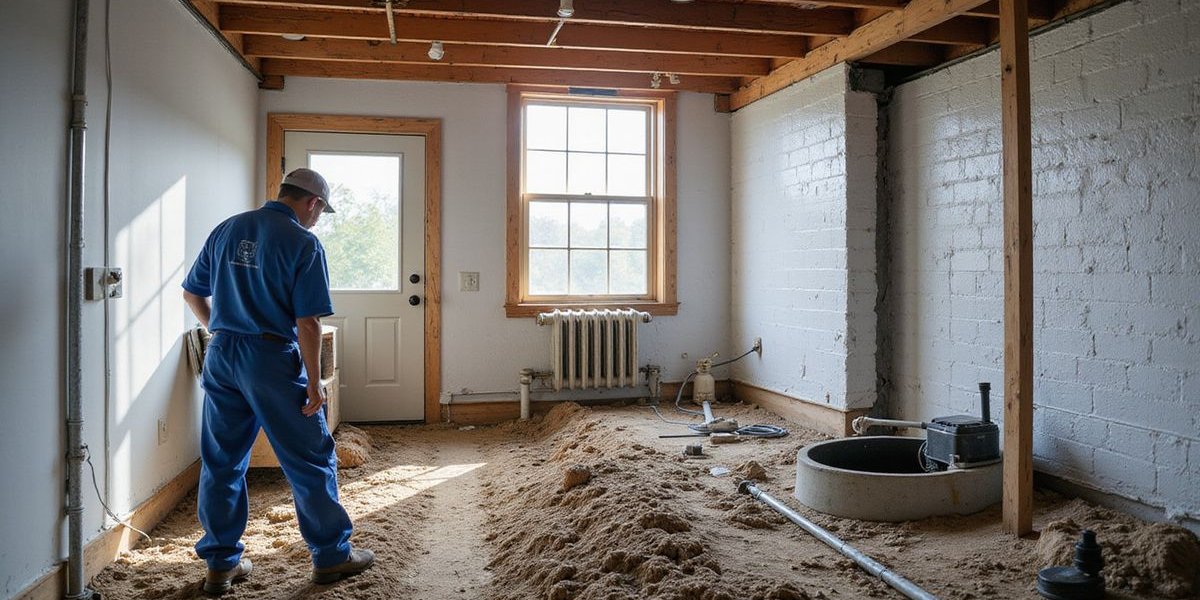
Black mold—specifically Stachybotrys chartarum—has earned a fearsome reputation among homeowners. We see the panic it causes every week, but understanding the real health risks and proper response can help you protect your family without unnecessary fear.
What Is Black Mold?
Stachybotrys chartarum, commonly called “black mold” or “toxic black mold,” is a type of fungus that thrives on high-cellulose, low-nitrogen materials. You will typically find it feeding on:
- Drywall and gypsum board
- Ceiling tiles
- Paper and cardboard
- Dust and lint
- Wood products
This mold requires consistent moisture to grow, which is why it’s often found after flooding, persistent leaks, or in areas with chronic humidity problems. We often explain to clients that unlike common mildew, Stachybotrys is a “heavy” mold that takes time to develop. It usually needs a relative humidity of 55% or higher for an extended period to establish itself.
Identifying Black Mold
Black mold typically appears as:
- Greenish-black patches or spots
- Slimy texture when wet
- Dry and powdery when dormant
- Often has a strong musty or earthy odor (similar to rotting leaves)
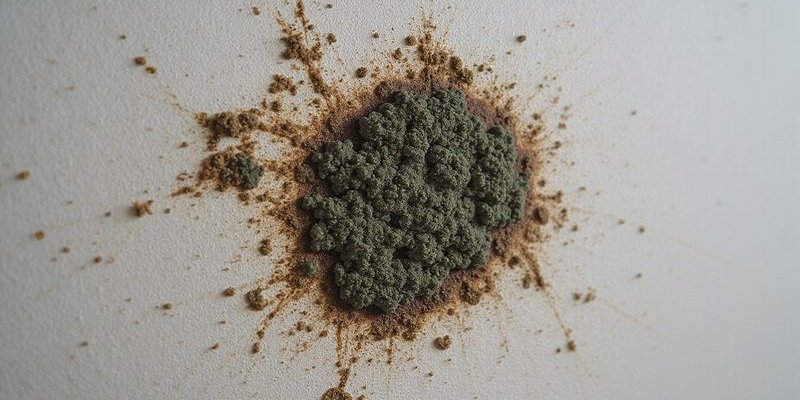
Important Note: Not all dark-colored mold is Stachybotrys. Many common molds appear black, green, or brown. Only laboratory testing can definitively identify mold species.
Is It Black Mold or Just Mildew?
Homeowners often confuse surface mildew with deeply rooted black mold. Here is a quick comparison to help you spot the difference.
| Feature | Common Mildew | Black Mold (Stachybotrys) |
|---|---|---|
| Appearance | Powdery, fluffy, white or gray | Slimy, wet, dark black or greenish |
| Growth Pattern | Grows flat on the surface | Roots deep into porous materials |
| Removal | Wipes off easily with cleaner | Difficult to remove; scrubbing may spread spores |
| Common Cause | High humidity (bathroom steam) | Constant water saturation (leaks/floods) |
Health Risks of Black Mold Exposure
Black mold produces mycotoxins—specifically satratoxins and trichothecenes—that can cause health problems when people are exposed through inhalation, skin contact, or ingestion. According to a 2024 report by the National Institute of Environmental Health Sciences, approximately 47% of U.S. residential buildings have some form of dampness or mold, which is a leading trigger for asthma attacks.
Common Symptoms of Exposure
Respiratory Issues:
- Chronic coughing
- Wheezing
- Shortness of breath
- Nasal congestion
- Sinus infections
Allergic Reactions:
- Sneezing
- Runny nose
- Red, itchy eyes
- Skin rashes or hives
Other Symptoms:
- Headaches
- Fatigue
- Memory problems or difficulty concentrating
- Mood changes
Who Is Most Vulnerable?
Certain groups face higher risks from black mold exposure:
Infants and Children
- Developing immune systems
- Higher respiration rates relative to body size
- May not communicate symptoms effectively
Elderly Individuals
- Weakened immune function
- Pre-existing health conditions
- Reduced ability to recover from illness
People with Respiratory Conditions
- Asthma sufferers
- Those with COPD
- People with chronic bronchitis
Immunocompromised Individuals
- HIV/AIDS patients
- Cancer patients undergoing treatment
- Organ transplant recipients
- Those taking immunosuppressive medications
The Science Behind Mycotoxins
Mycotoxins are secondary metabolites produced by certain molds as a defense mechanism. With black mold specifically:
- Satratoxins can damage cells and suppress immune function
- Trichothecenes are associated with respiratory problems and skin irritation
- Exposure occurs primarily through inhalation of spores and fragments
Research has linked mycotoxin exposure to:
- Pulmonary hemorrhage in infants (rare but serious)
- Neurological effects in prolonged exposure
- Immune system suppression
Why DIY Black Mold Removal Is Risky
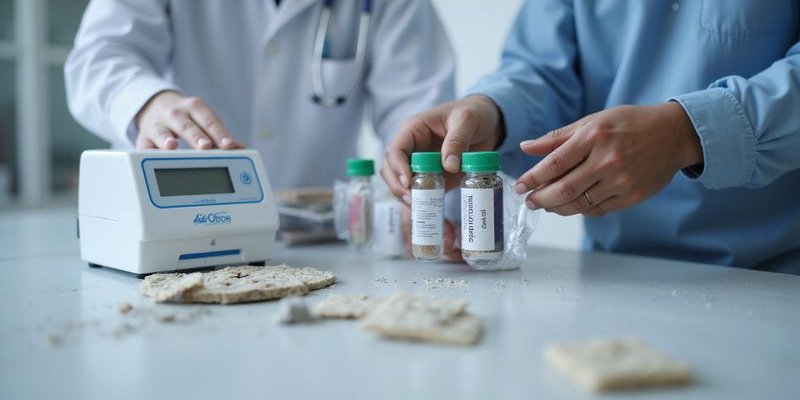
When black mold is disturbed, it releases spores and mycotoxins into the air. We strongly advise against DIY removal methods for areas larger than 10 square feet because consumer-grade tactics often make the problem worse.
The “Bleach Myth” Explained
The most common mistake we see is homeowners using bleach on drywall. Bleach is an effective sanitizer for non-porous surfaces like tile, but it does not work on porous materials like wood or gypsum. The chemical structure of bleach prevents it from soaking into the material, so the water component penetrates and feeds the mold roots while the chlorine stays on the surface. You end up bleaching the color out of the mold, but the fungus remains alive and often grows back stronger.
Risks of DIY Removal:
Spreading Contamination
- Disturbing mold spreads spores throughout your home
- HVAC systems can distribute spores to every room
- Cross-contamination can turn a small problem into a house-wide issue
Personal Exposure
- Consumer-grade masks don’t filter mycotoxins effectively
- Skin contact with contaminated materials poses risks
- Eye protection is often inadequate
Incomplete Removal
- Surface cleaning doesn’t address mold inside walls
- Without moisture source correction, mold returns
- Hidden mold remains a health hazard
Improper Disposal
- Contaminated materials require special handling
- Mold can spread from improperly bagged debris
- Some areas have regulations on mold disposal
Professional Black Mold Remediation
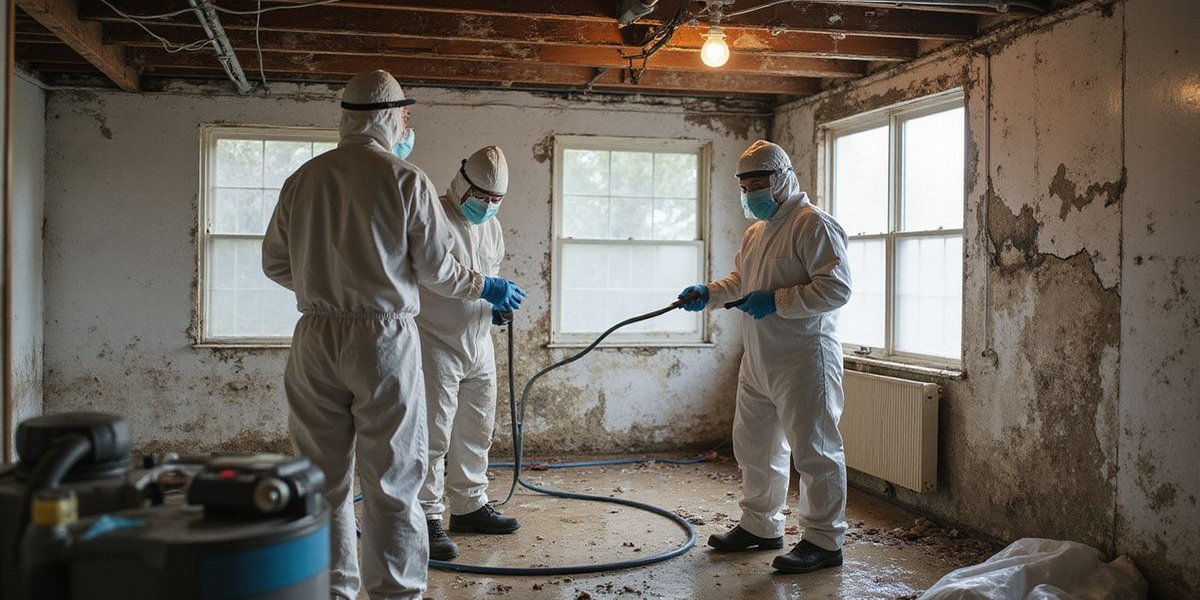
Professional remediation follows industry protocols established by organizations like the IICRC (Institute of Inspection, Cleaning and Restoration Certification). We strictly adhere to the ANSI/IICRC S520 Standard, which is the definitive guide for professional mold remediation.
Our Process Includes:
1. Assessment and Testing
- Visual inspection
- Air quality testing
- Moisture mapping
- Species identification when needed
2. Containment
- Negative air pressure systems (calculating specific Air Changes Per Hour)
- Physical barriers with plastic sheeting
- HEPA air filtration
- Isolation of affected areas
3. Personal Protection
- Full-face respirators with HEPA and organic vapor cartridges
- Tyvek suits
- Gloves and boot covers
- Eye protection
4. Removal and Treatment
- Safe removal of contaminated materials
- HEPA vacuuming of all surfaces
- Antimicrobial treatment (using registered fungicides, not bleach)
- Proper disposal of debris
5. Verification
- Post-remediation air testing
- Visual confirmation
- Clearance documentation
- Prevention recommendations
Protecting Your Family
If you suspect black mold in your home, acting quickly is your best defense. We recommend taking these immediate steps while you wait for professional help.
Immediate Steps:
- Limit access to the affected area.
- Avoid disturbing the mold (do not touch or scrub it).
- Don’t use fans or HVAC in that zone (this spreads spores).
- Keep children and vulnerable individuals away.
Next Steps:
- Document the mold with photos.
- Contact a professional for assessment.
- Address any active water leaks.
- Consider temporary relocation if symptoms are severe.
Pro-Tip: Upgrade Your Air Filtration
While remediation is the only cure for an infestation, you can improve your home’s defense against airborne spores. We suggest upgrading your HVAC filters to a MERV 13 rating or higher. These filters are dense enough to trap mold spores and smoke particles, unlike standard fiberglass filters which only catch dust and lint.
Insurance Considerations
Many homeowners insurance policies have limitations on mold coverage. A standard HO-3 policy typically excludes mold damage unless it is the direct result of a “covered peril,” such as a sudden burst pipe.
- Sudden vs. Gradual: Insurance usually covers sudden accidents but denies claims related to “maintenance issues” or long-term seepage.
- Coverage Caps: Even if your claim is approved, many policies in 2026 cap mold remediation payouts at $1,000 to $10,000.
Actionable Advice:
- Document everything with photos and dates
- Report to insurance promptly
- Get a professional inspection report
- Keep all receipts and records
- Understand your policy’s mold coverage limits
When to Seek Medical Attention
Contact a healthcare provider if you experience:
- Severe or persistent respiratory symptoms
- Symptoms that worsen despite leaving the affected area
- Unexplained bleeding or bruising
- Severe headaches or cognitive changes
- Any symptoms in infants or young children
Trust Certified Professionals
Black mold remediation is not a DIY project. At Salisbury Mold, our IICRC-certified technicians have the training, equipment, and experience to safely remove black mold and protect your family.
We serve Wicomico, Worcester, Somerset, and Dorchester Counties with:
- Free mold inspections
- Air quality testing
- Complete remediation services
- Post-remediation verification
- 24/7 emergency response
If you suspect black mold in your home, contact us immediately. The sooner it’s addressed, the better for your health and your home.
Tags
Need Help With Mold?
Our IICRC-certified technicians are ready to help you with any mold concerns. Contact us for a free inspection.