Living on Maryland’s Eastern Shore offers a lifestyle that is hard to match. We value the tight-knit community and the beautiful waterfront views of the Chesapeake Bay just as much as you do.
But that proximity to water creates a distinct set of challenges for local homeowners.
The high water table and seasonal humidity here make mold prevention a constant battle rather than a one-time fix. We have spent years serving Wicomico, Worcester, Somerset, and Dorchester Counties, and we know exactly where local homes are most vulnerable.
You need a strategy that evolves with the seasons.
Here is the practical, year-round plan we use to keep Eastern Shore properties dry and healthy.
Understanding Our Climate Challenge
The geography of our region acts like a sponge.
Data from the National Oceanic and Atmospheric Administration (NOAA) shows that our area frequently sustains relative humidity levels above 70% for weeks at a time during the summer.
We see the impact of this data daily in the homes we inspect.
Three specific factors make the Eastern Shore unique:
- Saturation: The water table is exceptionally high, putting constant hydrostatic pressure on foundations.
- The “Stack Effect”: Warm air rising in your home pulls moisture from damp crawl spaces up into living areas.
- Marshland Proximity: Nearby wetlands keep ambient moisture high even on sunny days.
These conditions mean that standard “dry climate” advice does not work here. You have to actively manage the environment inside your home.
Spring: Address Winter Damage
Spring is your critical window to repair the building envelope before the deep humidity sets in.
We recommend focusing on water redirection first.
Melting snow and spring rains test the limits of your drainage systems.
Exterior Inspection Checklist
Your goal is to keep bulk water away from the foundation.
- Roof Integrity: Check for shingles that shifted during winter nor’easters.
- Gutter Clearance: Remove winter debris to prevent overflow.
- Downspout Extensions: Ensure water exits at least 6 feet away from the home.
- Grading: Soil should slope away from your foundation (aim for a 6-inch drop over the first 10 feet).
Ventilation Assessment
Airflow is your best defense against stagnant moisture.
We advise testing your mechanical ventilation now.
- Exhaust Fans: Hold a tissue up to bathroom and kitchen fans; if it doesn’t stick, the motor is too weak.
- Dryer Vents: Clear lint blockages that trap moisture and create fire hazards.
- Attic Breathability: Verify that soffit vents are not blocked by insulation.
Basement and Crawl Space Audit
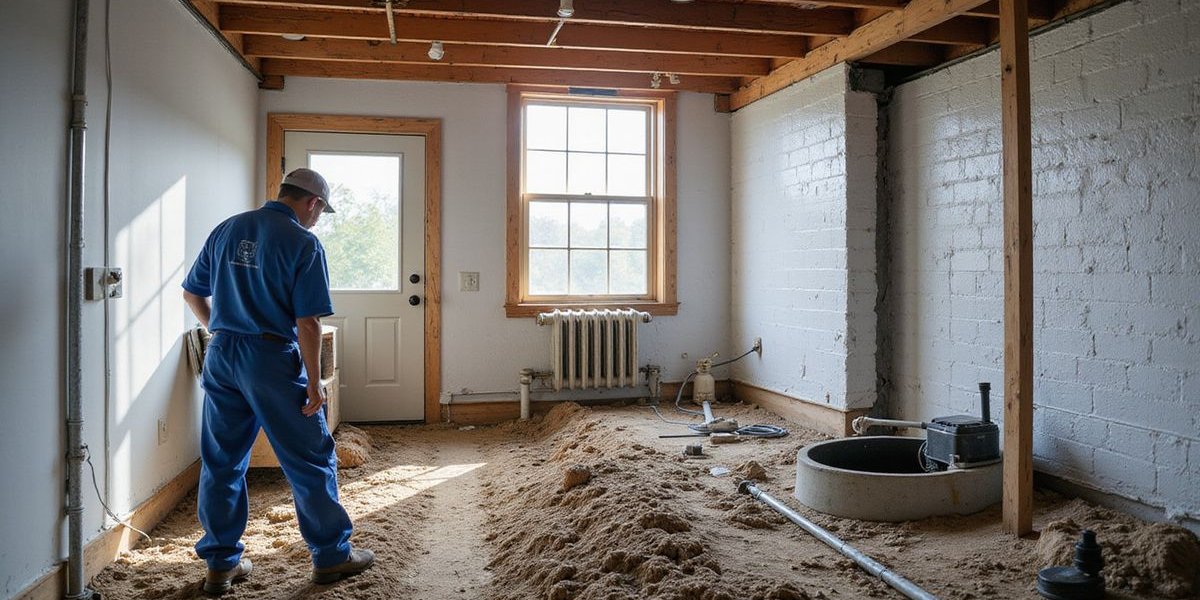
This is where 80% of Eastern Shore mold problems originate. Our basement mold remediation services address these root causes.
We suggest a “lights out” test for cracks. Stand in your basement during the day and look for daylight peaking through the rim joists.
- Sump Pump Test: Pour a bucket of water in the pit to ensure the float switch activates.
- Vapor Barriers: Check crawl spaces for torn or missing plastic sheeting. Consider crawl space encapsulation for long-term protection.
- Pipe Insulation: Look for “sweating” pipes that drip onto wood framing.
Summer: Combat High Humidity
July and August are the danger zones for mold growth in Maryland.
We know that once indoor humidity crosses the 60% threshold, mold spores can colonize drywall and wood within 48 hours.
Active mechanical drying is non-negotiable during these months.
Air Conditioning Optimization
Your AC is your primary dehumidifier.
We often find that systems are oversized, meaning they cool the house too quickly without running long enough to remove moisture.
- Run Cycles: Ensure the system runs for at least 15-20 minutes per cycle.
- Filtration: Upgrade to MERV 11 filters to capture smaller mold spores without restricting airflow.
- Thermostat Settings: Keep the fan setting on “AUTO” rather than “ON” to prevent moisture from blowing back into the house when the compressor stops.
Dehumidification Strategy
Sometimes your AC needs help.
We broke down the difference between portable units and whole-home systems to help you decide what you need:
| Feature | Portable Dehumidifier | Whole-Home Dehumidifier |
|---|---|---|
| Coverage | Single room or small basement | Entire home (via HVAC) |
| Maintenance | Daily bucket emptying required | Self-draining |
| Control | Localized sensor | Integrated with thermostat |
| Noise | Can be loud in living spaces | Quiet (located near furnace) |
| Efficiency | Lower (spot treatment) | High (removes 90+ pints/day) |
Daily Moisture Habits
Small behavioral changes make a massive difference.
- Shower Protocol: Run the fan for 20 minutes after you shower.
- Cooking Moisture: Use lids on boiling pots and run the range hood.
- Laundry Discipline: Never leave wet clothes in the washer overnight.
Fall: Prepare for Winter
As temperatures drop, the risk shifts from humidity to condensation.
We use this season to seal the house against the coming cold.
Essential Preparations
The goal is to stop warm, moist interior air from hitting cold surfaces.
- Weatherstripping: Replace worn seals on doors and windows.
- Rim Joist Sealing: Use spray foam to seal the area where the house frame meets the foundation.
- Pipe Protection: Insulate pipes in unheated areas to prevent freezing and condensation.

Heating System Maintenance
A clean system distributes heat evenly, preventing cold spots where mold loves to grow.
- Filter Change: Start the season with a fresh filter.
- Duct Inspection: Leaky ducts can pull moldy air from the attic or crawl space.
- Humidifier Check: If you have a whole-home humidifier, ensure it is clean and set correctly (usually 35% for winter).
Winter: Monitor and Maintain
Condensation is the enemy during Eastern Shore winters.
We see this most often on north-facing walls and windows where surface temperatures are lowest.
Condensation Control
You must keep air moving across cold surfaces.
- Window Management: Open blinds during the day to warm the glass.
- Furniture Placement: Move sofas and bookcases two inches away from exterior walls to allow airflow.
- Surface Drying: Wipe down wet windows immediately in the morning.
Attic Surveillance
Heat escaping into the attic melts snow on the roof, which freezes at the eaves to form ice dams.
We recommend checking your attic after the first snow.
- Sheathing Inspection: Look for dark stains or frost on the underside of the roof.
- Insulation Depth: Ensure insulation is evenly distributed and not wet.
Year-Round Best Practices
Consistency is the key to a dry home.
The 50% Rule
Invest in a digital hygrometer. We rely on data, not guesses. Keep your indoor relative humidity between 35% and 50%. Anything above 60% requires immediate action.
The 24-Hour Clock
Mold needs moisture to survive. If you have a leak or spill, you have a 24 to 48-hour window to dry it completely before mold establishes itself.
Smart Monitoring
Modern tools can watch your home when you can’t.
- Smart Leak Detectors: Place these Wi-Fi-enabled sensors near water heaters and washing machines.
- Connected Thermostats: Set alerts for high humidity levels so you know if your AC fails while you are away.
When Prevention Isn’t Enough
Sometimes, despite your diligence, the Eastern Shore climate wins.
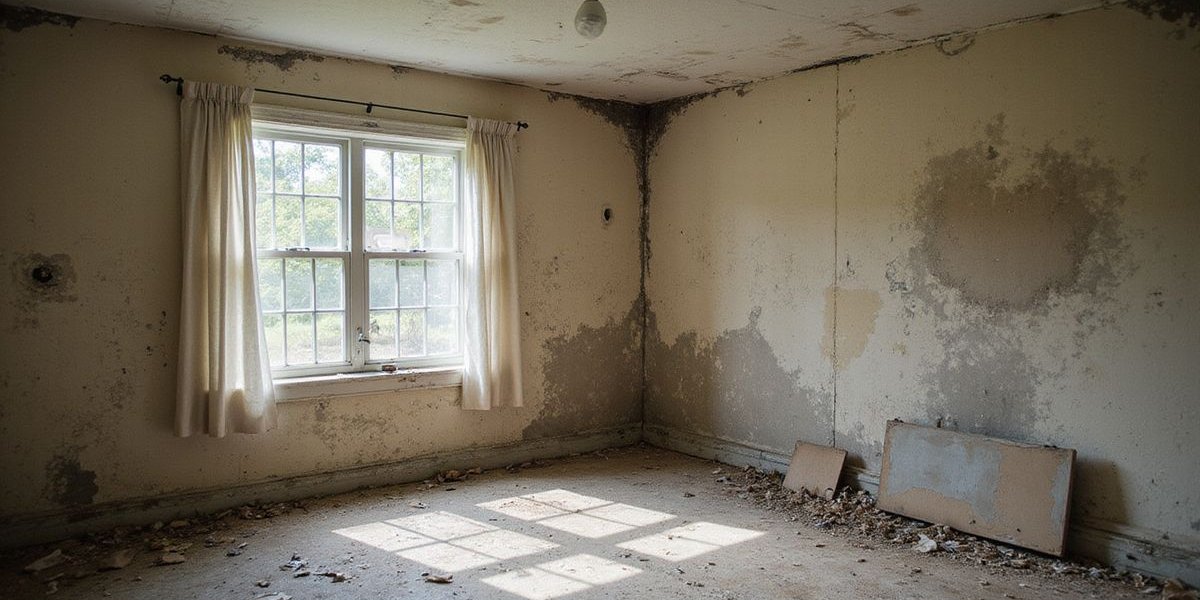
We know how stressful it is to find black spots on your drywall or smell that tell-tale musty odor. If you suspect a problem, professional testing is the only way to know exactly what you are dealing with.
At Salisbury Mold, we provide:
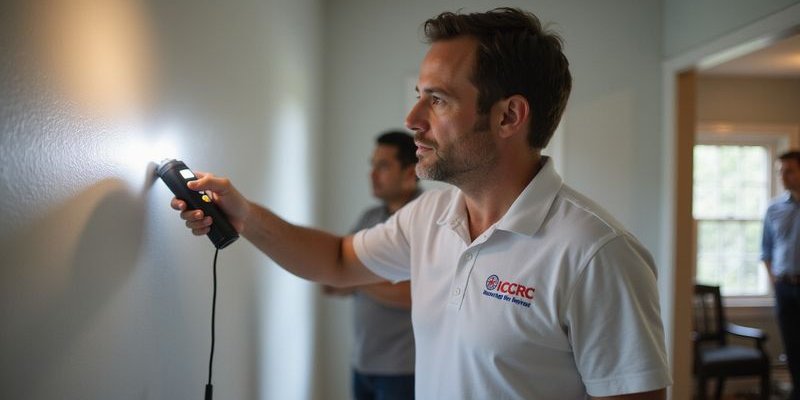
- Detailed Inspections: Our mold inspection process hunts for the moisture source, not just the mold.
- Air Quality Testing: We quantify the spore count to assess health risks.
- Targeted Remediation: We remove the growth and fix the underlying moisture issue.
Our IICRC-certified technicians are your neighbors. We understand these local challenges because we live here too.
Contact us today to schedule your inspection. Let’s make sure your home stays safe, dry, and comfortable.
Tags
Need Help With Mold?
Our IICRC-certified technicians are ready to help you with any mold concerns. Contact us for a free inspection.