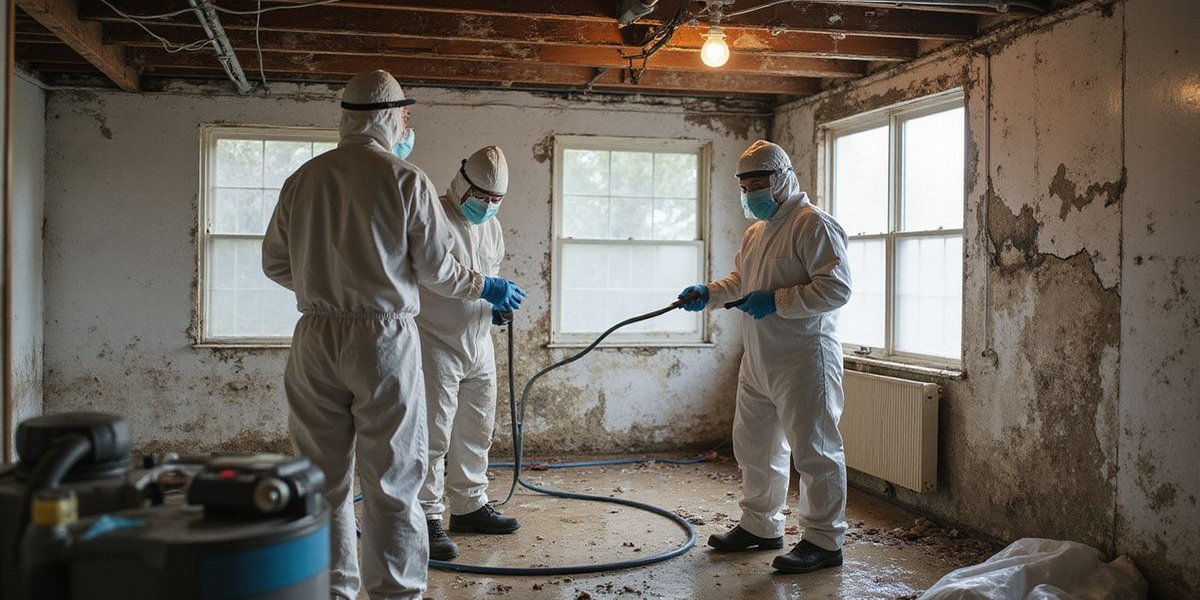
Mold is a silent invader that often grows undetected until it becomes a significant financial and health liability. As mold remediation specialists serving Maryland’s Eastern Shore, we have seen firsthand how early detection can save homeowners thousands of dollars.
The speed of contamination is often the most shocking factor for our clients. According to FEMA and EPA guidelines, mold colonies can begin to grow on damp surfaces within just 24 to 48 hours of water exposure.
Our team has compiled the seven most reliable warning signs to help you catch these issues before they require major remediation. Here are the indicators you need to watch for.
1. Musty or Earthy Odors
One of the first signs of mold is often a distinctive smell that appears long before you see any growth. We encounter this frequently in homes where the air quality feels “heavy” or stale.
These odors come from Microbial Volatile Organic Compounds (MVOCs), which are gases released during the metabolic process of fungal growth. Specific chemicals like 1-octen-3-ol create a mushroom-like smell, while geosmin produces an earthy scent similar to wet soil.
Common Locations for MVOC Odors
You should investigate these specific areas if you detect a persistent smell:
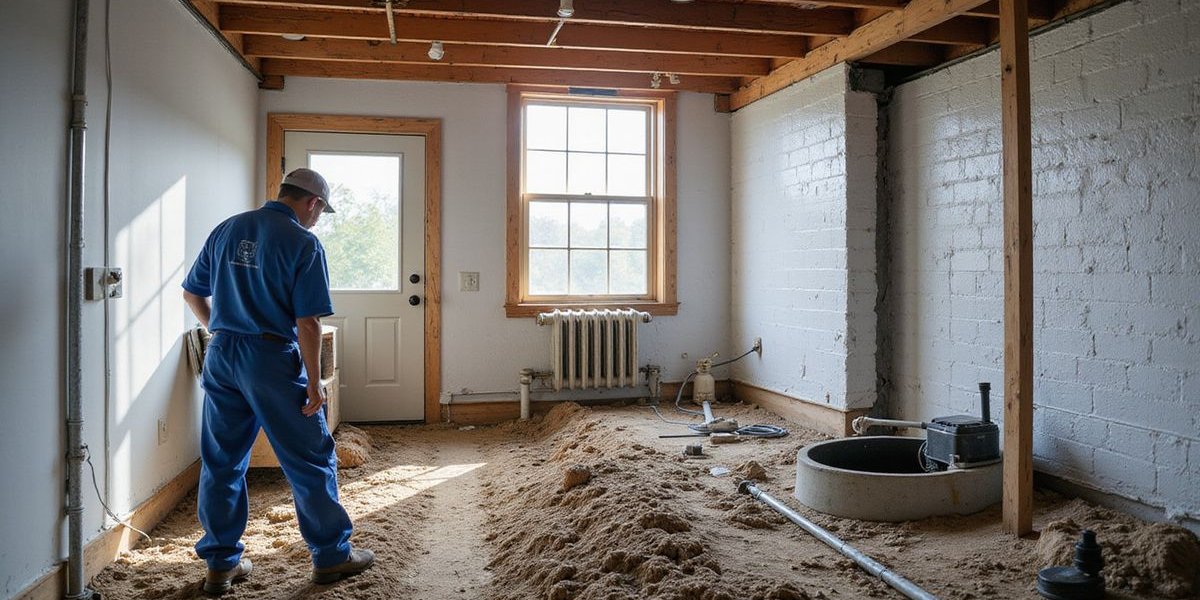
- Basements and crawl spaces: Damp soil and poor ventilation make these prime breeding grounds. Basement mold remediation addresses these issues.
- Under sinks and around plumbing: Small drips often go unnoticed for weeks.
- Behind large appliances: The heat and moisture behind refrigerators or washing machines accelerate growth.
- In closets and storage areas: Stagnant air allows spores to settle and colonize.
Pro Tip: We recommend performing the “fresh air test” to confirm your suspicions. Leave your home for at least an hour to reset your olfactory senses, then immediately sniff the air upon re-entering. If the odor hits you instantly, it is likely an active mold issue rather than just old air.
2. Visible Mold Growth
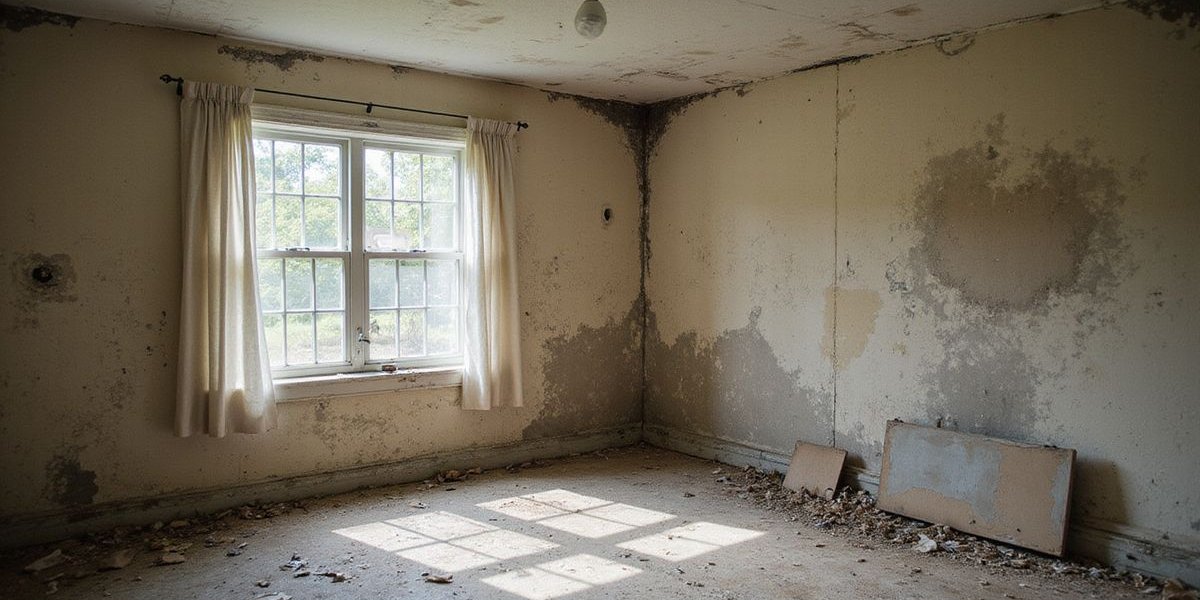
This may seem obvious, but mold does not always look like the fuzzy green or black growth most people expect. Our technicians often identify colonies that homeowners mistake for dirt, soot, or simple discoloration.
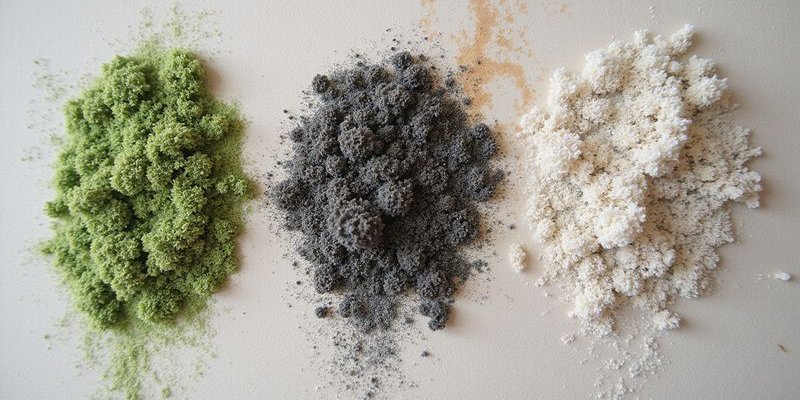
Different species manifest in various colors and textures depending on their food source and moisture level. You might encounter:
- Black or Gray Spots: Often Cladosporium or Alternaria, found near windows or cooling coils.
- White or Pink Patches: Frequently seen in showers; pink discoloration is often a bacteria called Serratia marcescens rather than mold, though it indicates excessive moisture.
- Orange or Red Film: Can appear on wood surfaces and may indicate high-moisture slime molds.
- Green Discoloration: Common for Aspergillus or Penicillium species on food or drywall.
We advise using a bright flashlight held at a sharp angle to the wall (oblique lighting) to inspect suspicious spots. This technique reveals the shadow of fungal “fuzz” or mycelium that flat dirt or scuff marks will not have.
3. Water Damage or Stains
Where there is water damage, mold often follows. We routinely find significant fungal growth hidden behind drywall that only shows a small water stain on the surface.
Look for these specific indicators of moisture intrusion:
- Yellow or brown “tide lines” on ceilings or walls
- Bubbling, peeling, or cracking paint
- Warped or buckled flooring (cupping)
- Damp spots on drywall or plaster
Important Distinction: You may sometimes see a white, powdery substance on concrete or brick walls called efflorescence. This is a salt deposit left behind by evaporating water, not mold, but it is a guaranteed sign that water is moving through your foundation.
4. Condensation Problems
Excessive condensation is a clear sign of high humidity levels that encourage mold growth. The EPA recommends keeping indoor relative humidity between 30% and 50% to inhibit fungal growth.
Our inspectors use hygrometers to measure these levels, and we suggest every homeowner invest in a simple digital version. Watch for these red flags:
- Condensation on windows, especially in winter
- Wet surfaces on walls or floors
- Fog on mirrors and glass that takes long to clear
- Dampness in bathrooms hours after showering
Humidity Risk Levels
| Relative Humidity (RH) | Risk Level | Action Required |
|---|---|---|
| 30% - 50% | Safe | Ideal range; maintain current ventilation. |
| 50% - 60% | Caution | Monitor closely; use exhaust fans. |
| Above 60% | High Danger | Active mold growth is likely; dehumidification is needed immediately. |
5. Health Symptoms
Sometimes your body detects mold before your eyes do. The Asthma and Allergy Foundation of America (AAFA) reports that September is often “Asthma Peak Month” partially due to high mold counts, but indoor issues can trigger symptoms year-round.
Common physical reactions include:
- Persistent nasal congestion or runny nose
- Eye irritation, redness, or burning
- Sneezing fits at home that stop when you leave
- Unexplained headaches or fatigue
- Respiratory issues or worsening asthma
“If you feel better when you are at work or on vacation, but your symptoms return the moment you step back into your house, your environment is likely the cause.”
We recommend tracking your symptoms over a two-week period. Note exactly when they flare up and subside to help identify patterns related to your location.
6. Recent Water Events
If your home has experienced any water intrusion, mold may be present even if you do not see it. Our data shows that 2025 remediation costs for mid-sized jobs average between $3,500 and $9,000, largely because delays allow water to seep into structural cavities.
Be vigilant if you have had:
- Flooding or storm damage - consider our water damage restoration services
- Plumbing leaks (even small ones under sinks)
- Appliance failures (washing machine, dishwasher, water heater)
- Roof leaks or ice dams
- Foundation cracks with moisture intrusion
Mold can begin growing within 24 to 48 hours of water exposure. Quick action to dry the area within this window is essential to preventing colonization.
7. Structural Damage Signs
Advanced mold growth can actually damage your home’s structure. We have seen cases where “dry rot” (a wood-decaying fungus) compromised floor joists to the point of failure.
Inspect your home for:
- Soft or spongy spots in walls or floors
- Wood that crumbles or feels brittle when touched
- Deteriorating grout or caulk in wet areas
- Rust stains from nails or screws (indicating high moisture in the wood)
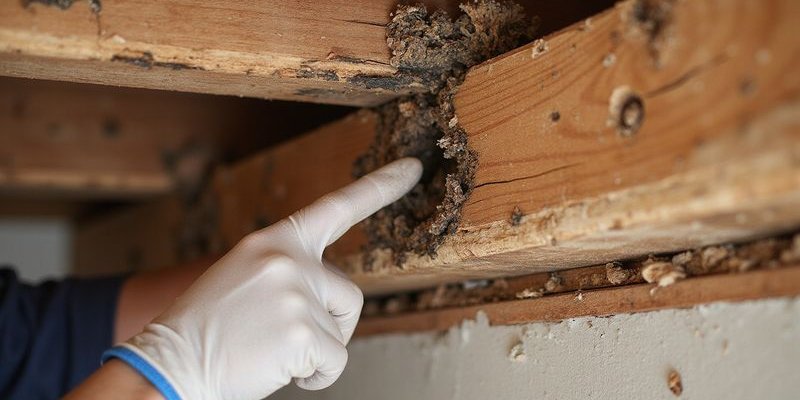
The Screwdriver Test: You can gently press a screwdriver against exposed wood joists in a basement or crawlspace. If the wood feels soft or the tool sinks in easily, you may have significant structural decay driven by moisture and fungus.
What to Do If You Spot These Signs
If you notice any of these warning signs, we recommend taking the following steps:
- Don’t ignore it. Mold problems do not resolve on their own and typically get more expensive to fix over time.
- Avoid DIY removal for significant growth. Disturbing mold colonies without negative air pressure containment can spread billions of spores throughout your home.
- Document what you see. Take clear photos for insurance purposes before any cleanup begins.
- Get a professional inspection. A thorough mold inspection will identify the extent of the problem and the moisture source causing it.
Professional Mold Inspection
At Salisbury Mold, we provide comprehensive mold inspections using professional-grade equipment including moisture meters, thermal imaging, and air quality testing. Our IICRC-certified technicians can identify hidden mold, determine the moisture source, and provide a detailed remediation plan.
Early detection is key to minimizing both health risks and remediation costs. If you have noticed any of these warning signs, contact us for a free inspection. We serve Wicomico, Worcester, Somerset, and Dorchester Counties with same-day appointments available.
Tags
Need Help With Mold?
Our IICRC-certified technicians are ready to help you with any mold concerns. Contact us for a free inspection.